
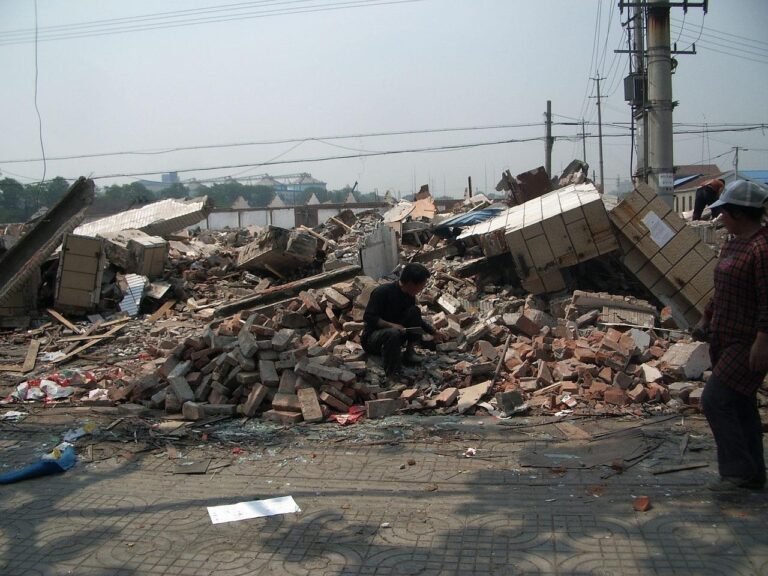
One of the most common questions people ask before booking a rubble removal service is:
“How much rubble do I actually have?”
It’s a fair question. Whether you’re renovating a bathroom, demolishing a wall, replacing paving, or clearing a construction site, estimating the amount of rubble can help you budget properly and ensure the right-sized vehicle arrives on collection day.
The good news is that you don’t need to be a builder or engineer to make a good estimate. In this guide, we’ll show you several simple ways to estimate your rubble, explain what different truck sizes are best suited for, and provide practical tips to help you avoid paying for more capacity than you need.
Why Estimating Your Rubble Matters
Knowing roughly how much rubble you have offers several benefits:
-
You receive a more accurate quotation.
-
The correct vehicle is dispatched the first time.
-
You avoid paying for unnecessary trips.
-
Your rubble can be removed more efficiently.
-
The collection is completed faster.
Even if your estimate isn’t perfect, getting close makes a significant difference.
Step 1: Identify the Type of Rubble
Not all rubble takes up the same amount of space or weighs the same.
Common types include:
Builders’ Rubble
-
Bricks
-
Concrete
-
Tiles
-
Cement
-
Plaster
-
Stone
-
Rubble from demolitions
These materials are very heavy and usually require larger trucks sooner than lighter materials.
Garden Refuse
-
Tree branches
-
Grass cuttings
-
Leaves
-
Shrubs
-
Palm fronds
-
Hedge trimmings
Garden waste is lighter but often occupies much more space.
Household Waste
-
Old furniture
-
Cupboards
-
Appliances
-
Mattresses
-
General household junk
These items are bulky and irregularly shaped, making them difficult to estimate by weight.
Step 2: Estimate the Size of the Pile
One of the easiest methods is to estimate the dimensions of the pile.
Measure or estimate:
-
Length
-
Width
-
Height
For example:
Length: 3 metres
Width: 2 metres
Height: 0.5 metres
3 × 2 × 0.5 = 3 cubic metres
This gives a reasonable estimate of the amount of rubble.
You don’t need to be perfectly accurate—an approximate measurement is usually enough.
Step 3: Think in Terms of Vehicle Loads
Most people find it easier to estimate using vehicle sizes rather than cubic metres.
Bakkie (From R500 per Load)
Suitable for:
-
Small bathroom renovations
-
Kitchen strip-outs
-
Garden refuse
-
Small paving projects
-
Household clean-ups
If your rubble would comfortably fit in the back of a standard bakkie, this is usually the most economical option.
4-Tonne Truck (From R1,200 per Load)
Ideal for:
-
Medium home renovations
-
Larger quantities of bricks
-
Several rooms of renovation waste
-
Medium landscaping projects
This size is popular for residential building projects.
8-Tonne Truck (From R1,800 per Load)
Best suited for:
-
Major home renovations
-
Commercial renovations
-
Construction sites
-
Large volumes of builders’ rubble
Choosing an 8-tonne truck can often save money compared to booking several smaller loads.
12-Tonne Truck (From R2,200 per Load)
Perfect for:
-
House demolitions
-
Factory clean-ups
-
Commercial developments
-
Large construction projects
-
Bulk rubble removal
Large projects are generally completed much faster using a single larger truck.
Use Familiar Objects to Estimate
Sometimes comparing your rubble to everyday objects makes estimating easier.
For example:
A pile roughly the size of a small family car may require several bakkie loads or a medium truck.
A pile filling an average single garage could require an 8-tonne or even a 12-tonne truck depending on the material.
While these comparisons aren’t exact, they provide a useful starting point.
Heavy Materials Can Be Deceiving
Many people estimate by looking at the size of the pile.
However, weight often matters just as much.
For example, one cubic metre of concrete weighs significantly more than one cubic metre of garden refuse.
Although two piles may appear identical in size, the heavier material may require a larger truck or additional trips because of legal vehicle weight limits.
This is why experienced rubble removal companies always ask what type of rubble you’re removing.
Photos Are Often Better Than Measurements
If you’re unsure how much rubble you have, don’t worry.
Simply take a few clear photographs from different angles.
Try to include something familiar in the photo, such as:
-
A wheelbarrow
-
A door
-
A person
-
A vehicle
These reference points help professionals estimate the size of the pile much more accurately.
In many cases, photos are all that’s needed to provide an accurate quotation.
Separate Different Types of Waste
If possible, keep different materials separate.
For example:
-
Builders’ rubble
-
Garden refuse
-
Household waste
-
Scrap metal
Sorting materials makes loading quicker and helps ensure the correct vehicle is sent.
It can also improve recycling opportunities and reduce disposal costs where applicable.
Avoid Underestimating
Many customers unintentionally underestimate how much rubble they have.
A pile often looks much smaller than it really is until it starts being loaded onto a truck.
When estimating, it’s usually better to slightly overestimate than underestimate.
This helps avoid delays and prevents the need for an additional collection.
Not Sure? Ask the Professionals
The easiest way to estimate your rubble is simply to ask an experienced rubble removal company.
Most companies can provide an estimate based on a few photographs and a brief description of the project.
They’ll recommend the most suitable vehicle and explain why it’s the best option, helping you avoid paying for unnecessary capacity while ensuring all your rubble is removed in one visit whenever possible.
Final Thoughts
Estimating the amount of rubble you have doesn’t need to be difficult.
By considering the type of waste, estimating the size of the pile, and comparing it with different vehicle sizes, you can get a good idea of the removal service you’ll need.
If you’re still unsure, don’t stress—taking a few photos is often the quickest and most accurate way to receive professional advice.
Whether you’re clearing a small garden, renovating your home, or managing a large construction project, choosing the right vehicle from the start saves time, reduces costs, and makes the entire rubble removal process much smoother.
If you’re looking for fast, affordable, and reliable rubble removal in Pretoria, the team at Rubble Removal Experts is happy to help. Simply send through a few photos of your rubble, and they’ll recommend the most suitable vehicle, provide a free no-obligation quotation, and ensure your waste is removed quickly, safely, and responsibly.